Brick by Brick: Stories from the Kilns
Some projects change you.
Brick by Brick was one of those. Published in MORPH Magazine, this series began as a photo assignment but slowly became something far more personal. It turned into a journey into the lives of families working in brick kilns along the Indo Nepal border in Sunsari.
Most of these families had come from West Bengal in India, migrating seasonally for work. Their lives revolve around the kilns. Harsh environments filled with red brick dust, black coal residue, and layers of wet gray mud before the bricks are fired. And yet, within that, there is a sense of rhythm. Of structure. Of togetherness. Older children look after the younger ones while parents work long, repetitive hours. For a few months during the monsoon, they return home. Then the cycle begins again.
When I arrived with my team, a crowd gathered almost immediately. Children laughed. Elders smiled. There was curiosity in every direction. For a moment, it felt as if I had arrived from somewhere else entirely, carrying cameras instead of answers. The energy was immediate. Honest.
I photographed everything. The labor. The stillness. The laughter. The quiet pride in the way people stood when they saw the camera.
Then the drone went up. And the story shifted. From above, the kilns revealed something deeper. They looked like scars across the land. Smoky chimneys rising into the air, vast pits filled with water where earth had been extracted. This land was once green. Fields, crops, trees. Now it holds a different kind of story. And the question stays with you: what happens when the mud runs out?


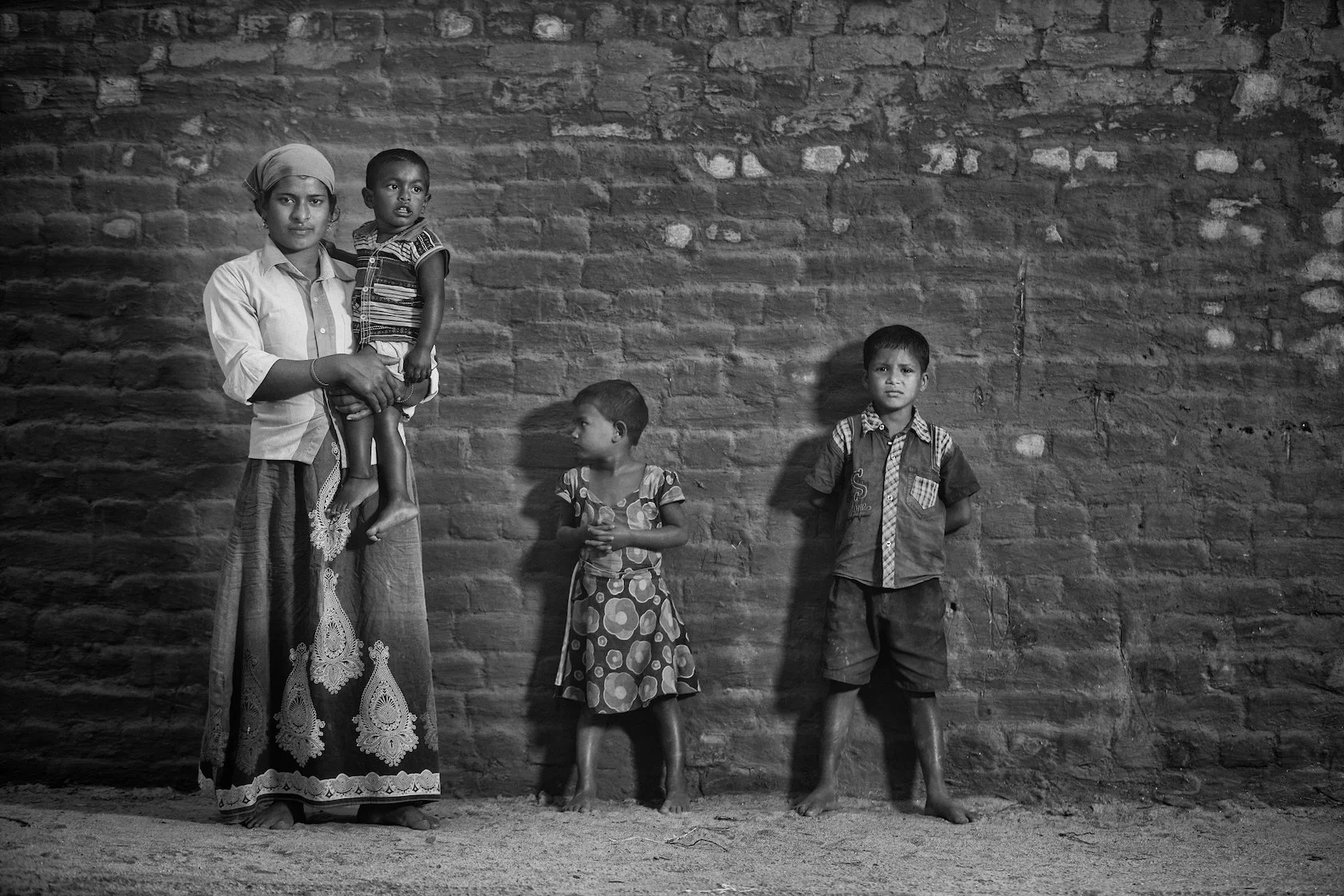
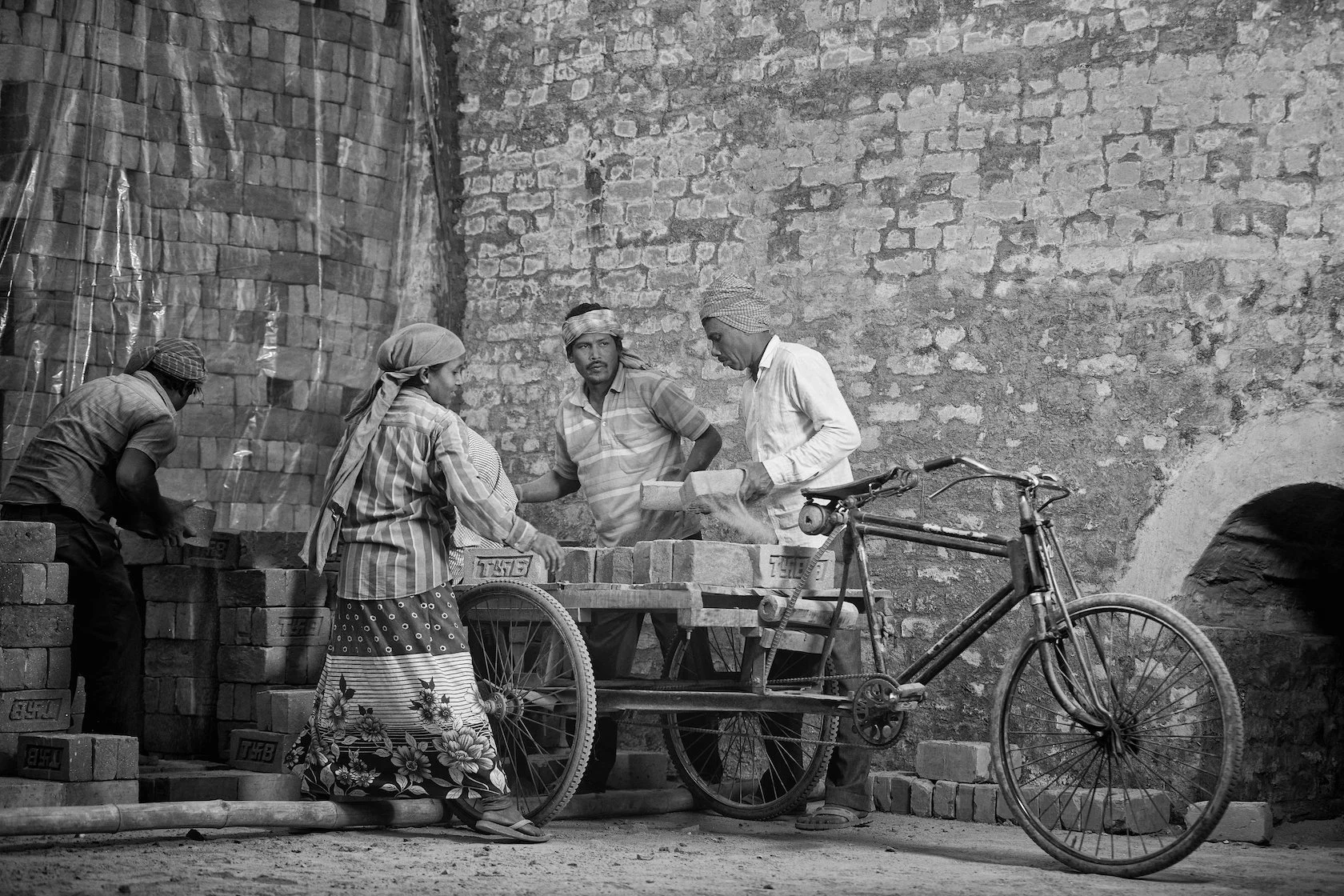

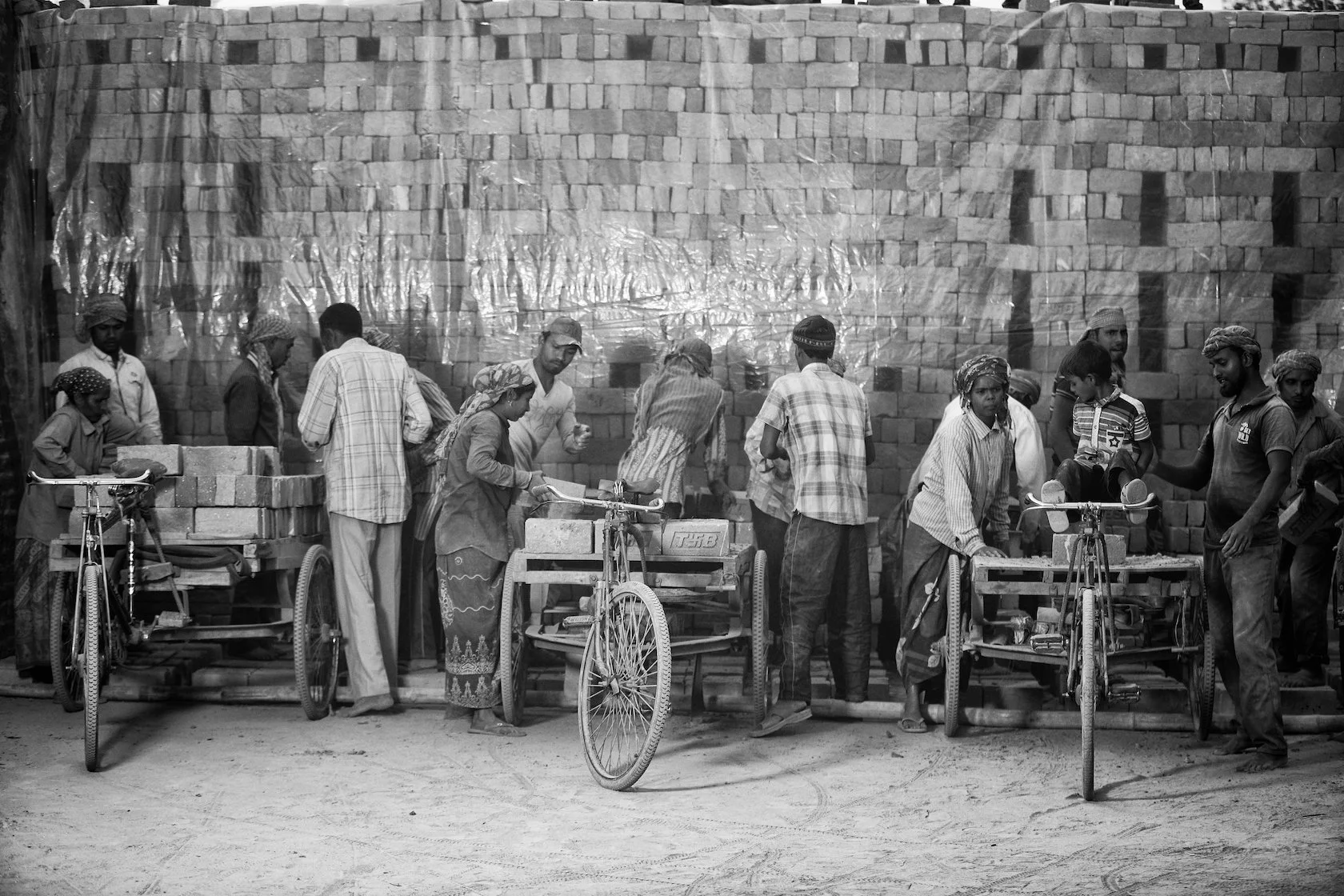


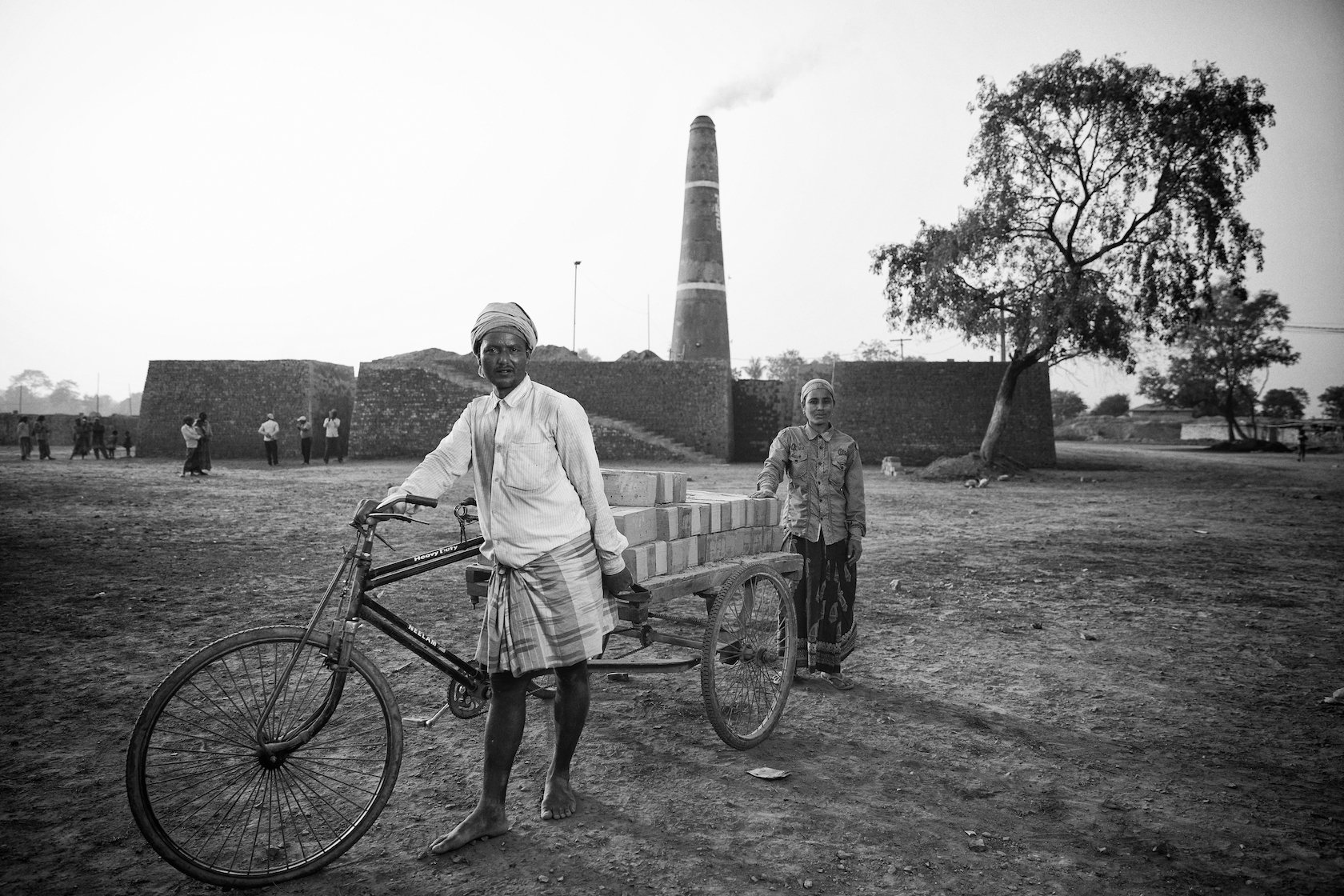
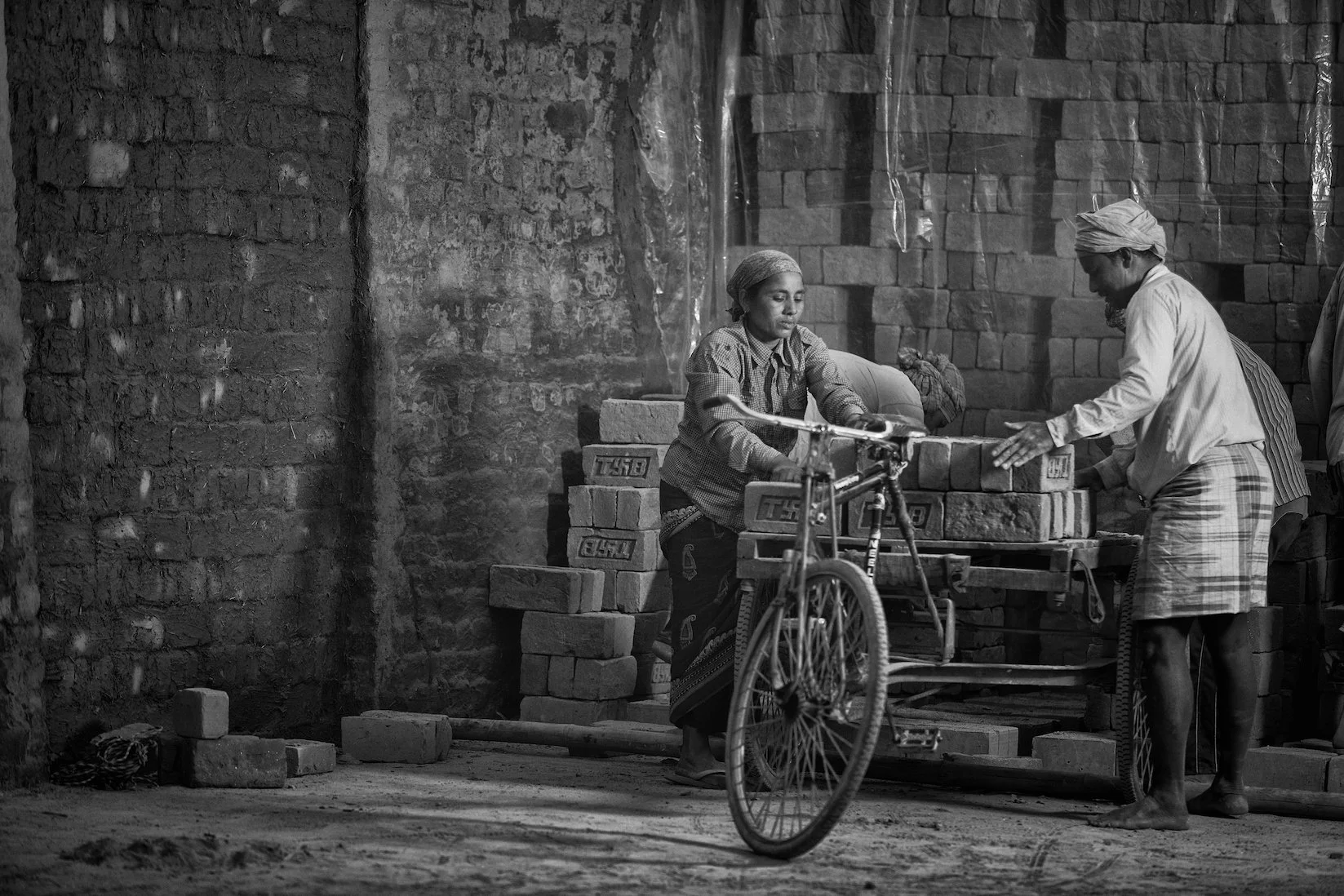
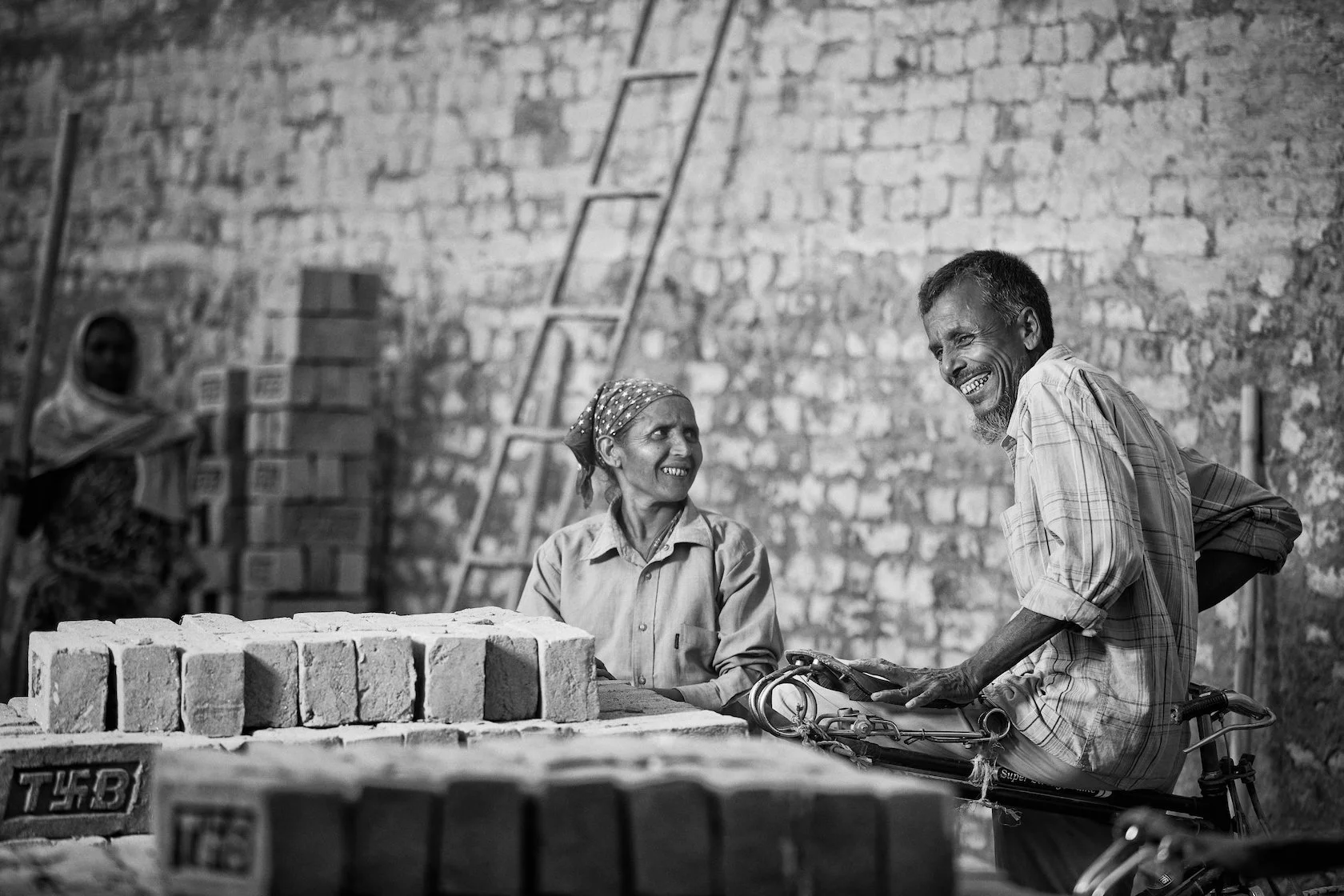
This was no longer just a photo essay. It became a reflection on movement, on labor, on the cost of production, and on how environments change quietly over time. Visual storytelling has the ability to bring these realities into focus. Not as numbers. Not as reports. But as people. As lives. Some of the frames that stayed with me the most were not the obvious ones. A child smiling against a sky filled with smoke. A father shaping bricks with worn hands while his child slept nearby. Moments where resilience and vulnerability existed in the same frame. Nothing staged. Nothing forced. Just life, as it is.
Brick by Brick is a reminder that photography, especially documentary work, carries a responsibility. The people in these frames are not subjects. They are individuals with stories, routines, and futures that extend far beyond the image. Being allowed to document even a small part of that is a privilege.
STORIES THAT STAY BEYOND THE FRAME
Projects like this do not end when the photographs are taken.
They stay with you.
They influence how you see the next place, the next assignment, the next conversation.
From documentary photography in Nepal to environmental and social storytelling across different regions, the intention remains the same.
To observe honestly. To document with respect. And to allow the story to speak without interference.
DOCUMENTING REALITIES ACROSS NEPAL
Work like this often exists outside controlled environments.
It requires time, trust, and the ability to move through communities with sensitivity.
From rural regions to industrial landscapes, documentary photography in Nepal is not just about access, but about understanding context.
Who the people are. Why they are there. And what their stories represent beyond a single frame.
VISUAL STORYTELLING FOR IMPACT
For organizations working in areas such as climate, migration, labor, and community development, visual storytelling becomes a powerful tool.
Images can communicate complexity in ways that reports often cannot.
They bring visibility to issues that are otherwise overlooked.
And when done with intention, they create connection.
Between people, places, and decision makers.
START YOUR PROJECT
If you are working on documentary photography, climate impact storytelling, or long term visual projects focused on communities, environment, and social change, the process begins with understanding the story on the ground.
From NGO and INGO collaborations to independent documentary work across Nepal and beyond, projects are approached with sensitivity, clarity, and purpose.
Get in touch to begin your project by sending an email to mail@GautamDhimal.com