
High Altitude Lessons in Film and Photography Production. Always Ready, Always Prepared.

Filming and photographing in the Himalayas is always a thrilling adventure. The landscapes are extraordinary, the light is magical, and every bend in the trail seems to reveal another frame waiting to be captured. But the mountains also have a way of reminding you that they make the rules.
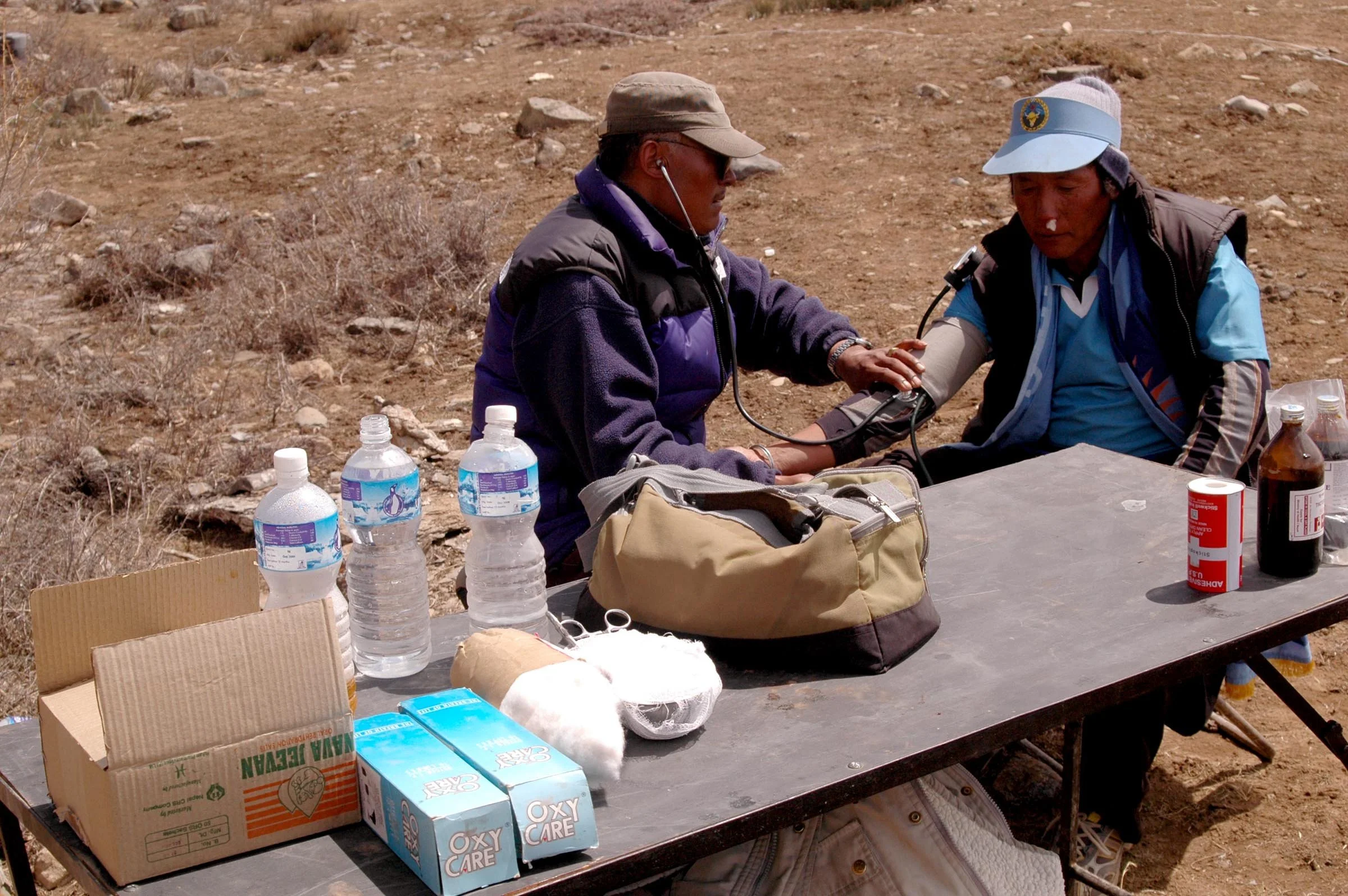
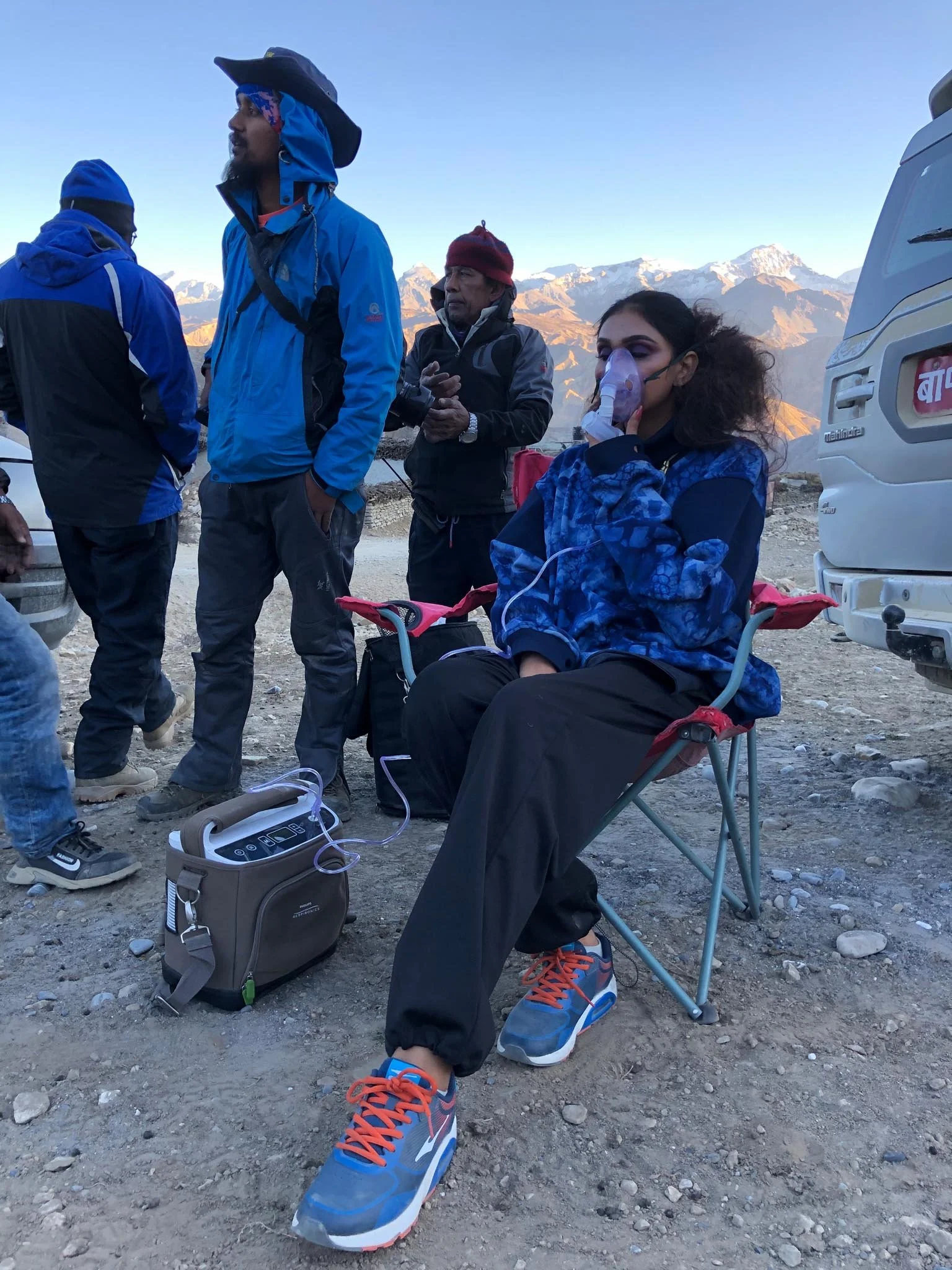
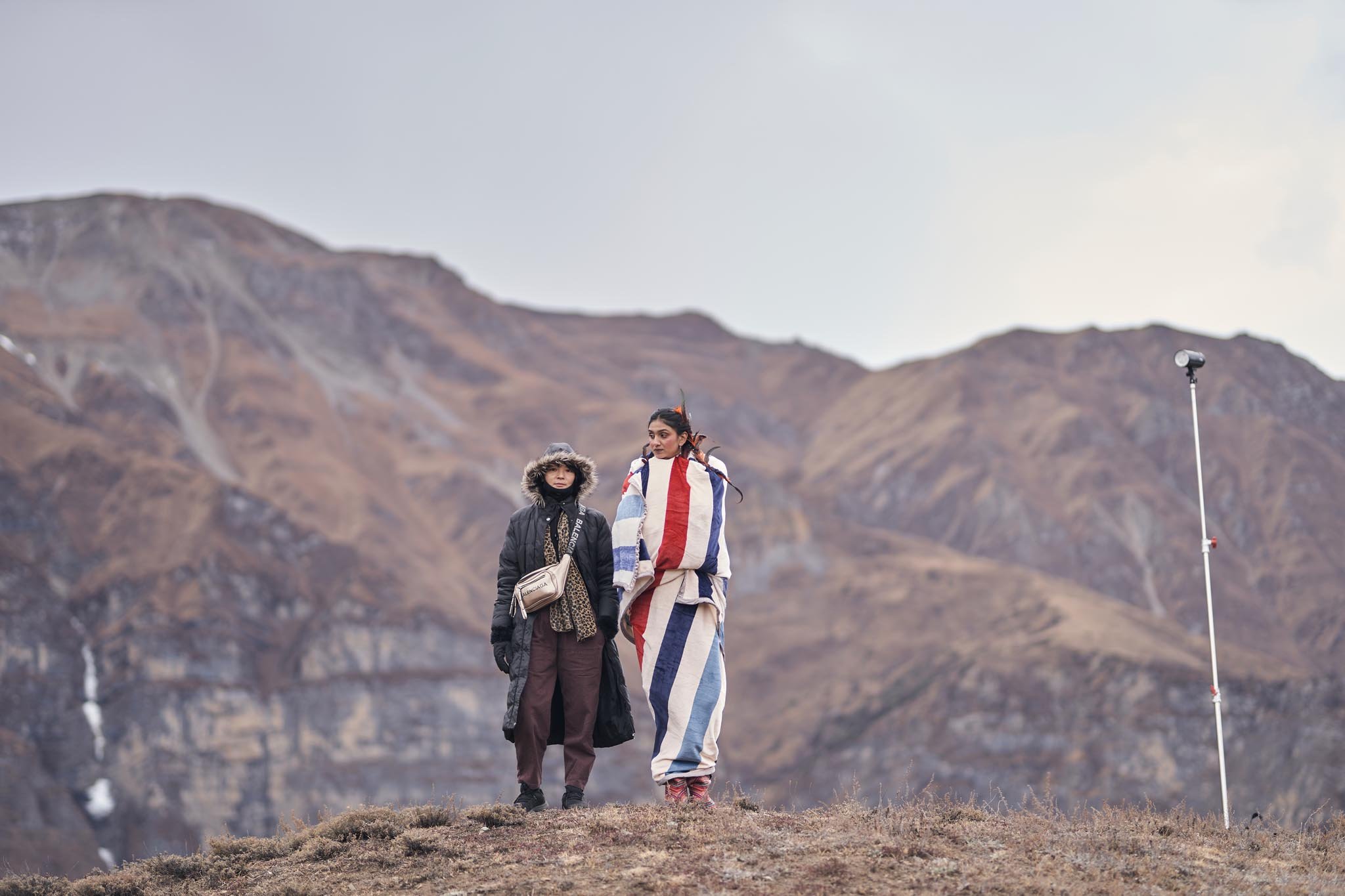
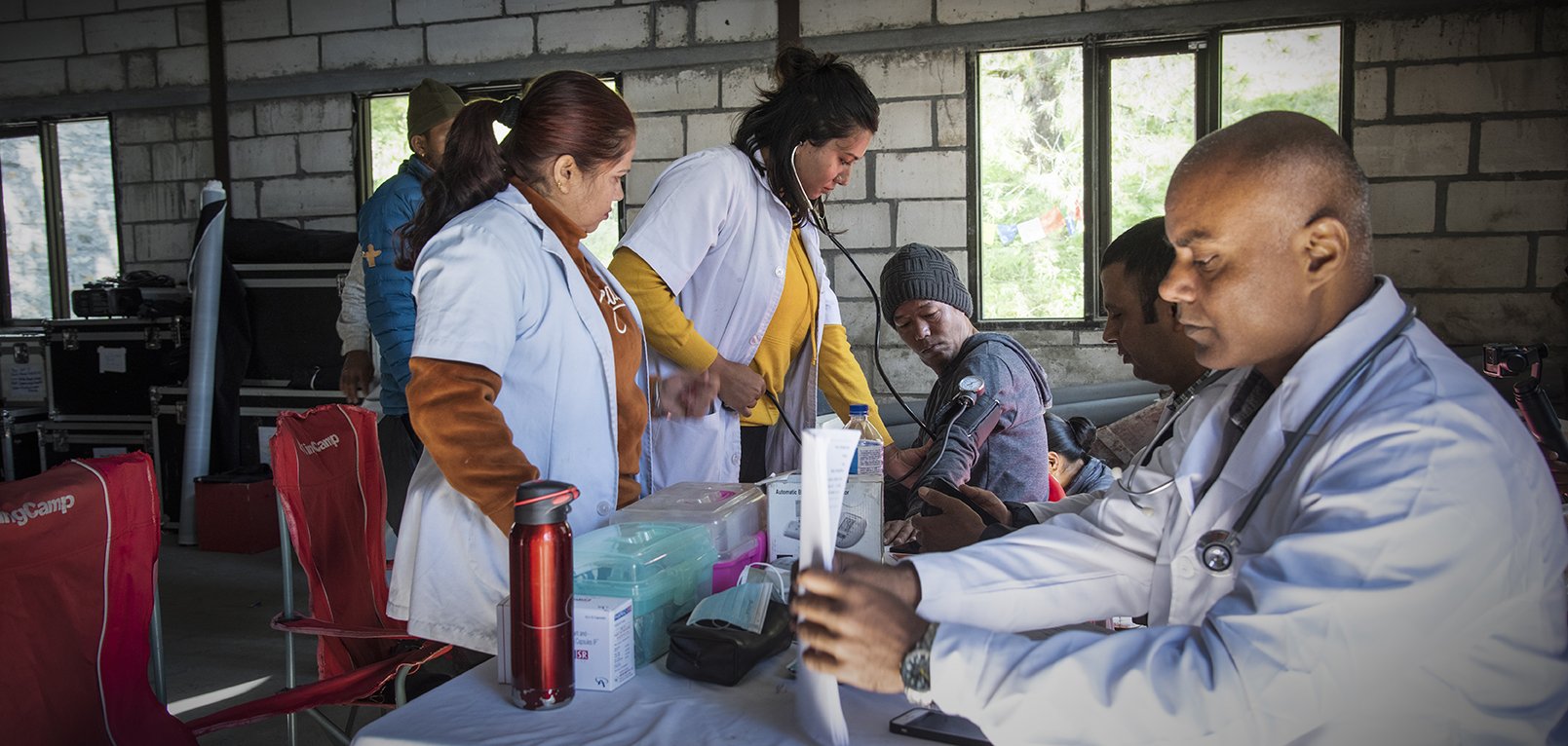
During one of our Himalayan Fashion Adventure productions, one of the models and a crew member suddenly became unwell due to the altitude. The symptoms appeared quickly. Fortunately, so did our response.
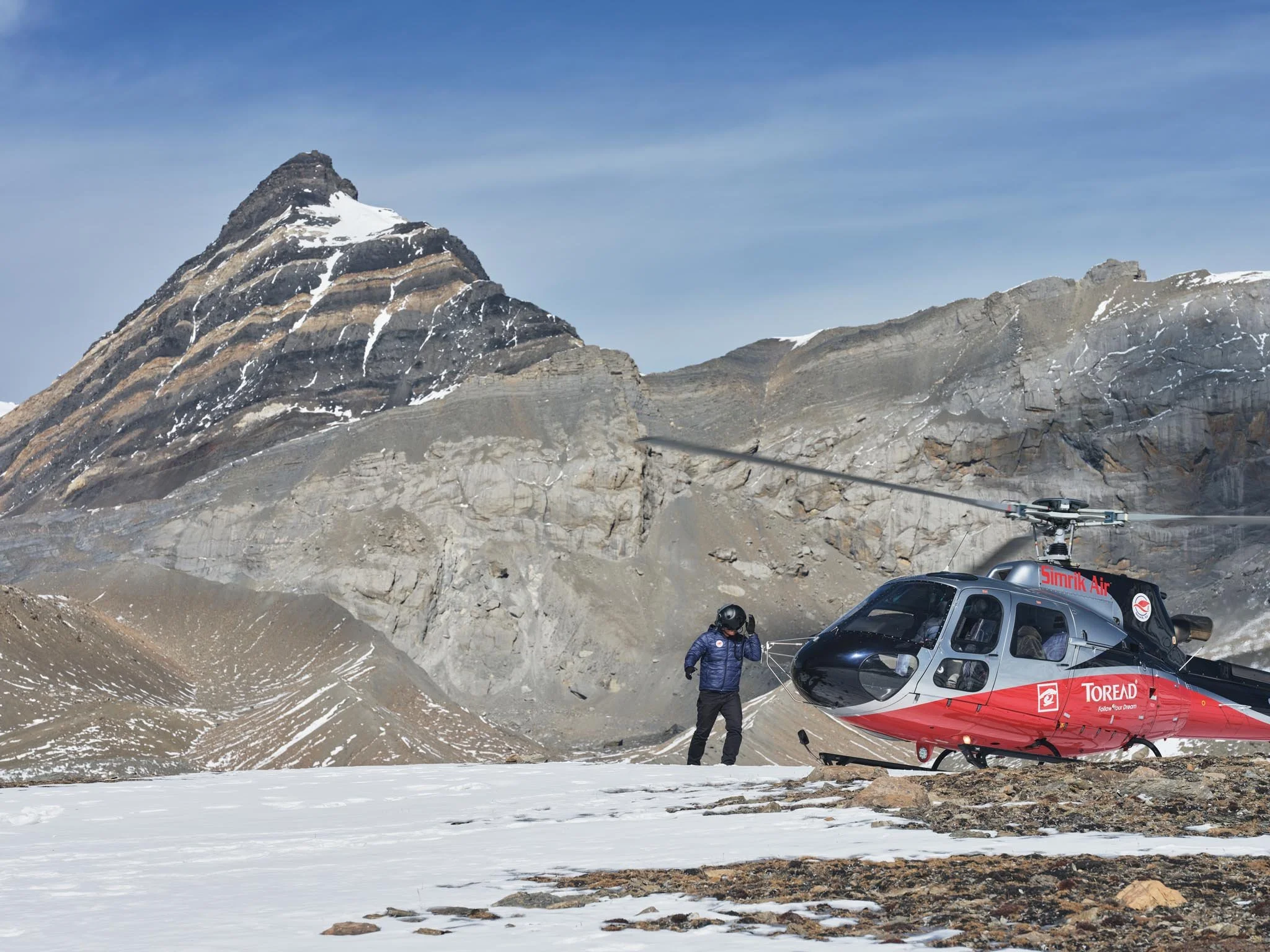
Our paramedic was already on standby. Oxygen support was immediately available. Emergency medicines were ready. Communication systems were functioning. Evacuation procedures had already been discussed before we even arrived on location. Within a short period of time, the situation was under control.
That experience reinforced something I have believed throughout my entire career. Preparation is not something that happens before production. Preparation is production.
People often see the final images. They see the fashion campaign, the television commercial, the documentary, the magazine cover, or the cinematic landscape. What they rarely see are the countless layers working quietly behind the scenes.
The safety meetings. The medical planning. The contingency plans. The weather monitoring. The backup vehicles. The emergency contacts. The evacuation routes. The systems that nobody notices when everything goes right.
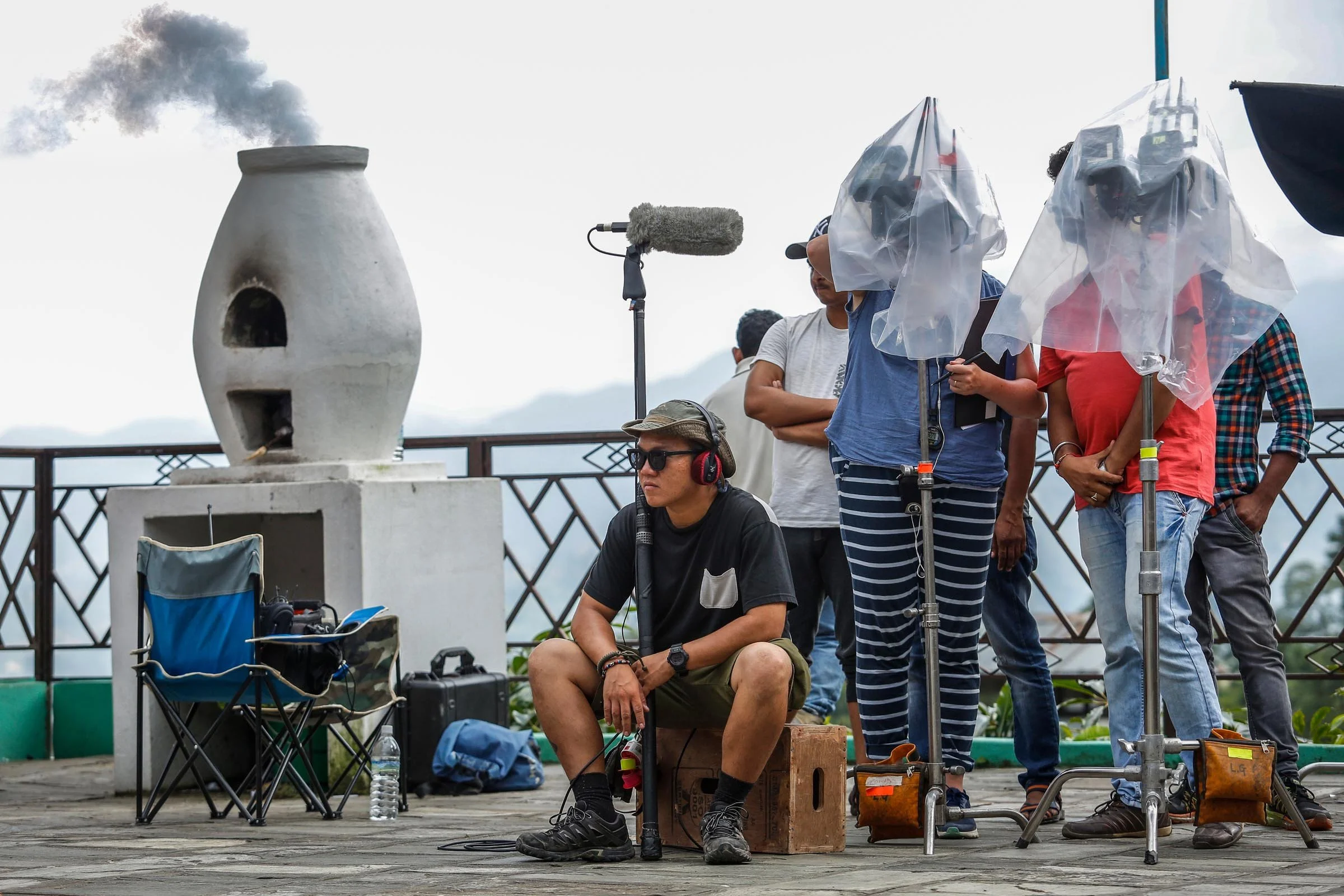
Over the decades, I have learned that some of the most important work we do on a production day never appears on screen. The bigger the production, the more responsibility we carry. And responsibility is something we never take lightly. Whether we are producing a Disney drama, a BBC documentary, a global commercial, a fashion campaign in Mustang, a wildlife expedition in Africa, or a personal branding shoot in the mountains, our approach remains the same.
People come first.
Always.
Rescue is never an afterthought. Depending on the scale and location of a production, we may have paramedics, nurses, doctors, oxygen systems, emergency medicines, evacuation protocols, rescue helicopters, and designated hospitals prepared long before the first camera is unpacked. Every cast member matters. Every crew member matters. Every local team member matters. Because without people, there is no production.
One thing I often tell younger producers is that mountains do not care about budgets. They do not care about deadlines. They do not care about client expectations. The mountains simply are. Our responsibility is to respect them. That means preparing for every possibility we can reasonably anticipate. And then preparing for the ones we cannot.
I cannot remember a major production where we had only one or two vehicles. Sometimes it is twenty. Sometimes fifty. Occasionally more than a hundred. Cars, jeeps, trucks, support vehicles, cargo carriers, and transportation systems moving people, equipment, props, wardrobe, and supplies across vast distances. Before a wheel turns, every vehicle is checked. Our trusted mechanics inspect them. Service histories are reviewed. Tires are checked. Tire pressures are checked. Recovery equipment is prepared. Critical spare parts are stocked.
For larger productions, we often travel with dedicated mechanics and support vehicles because experience has taught us that if something can fail, it eventually will. We simply prefer discovering those problems before the mountain does. The same philosophy extends to every part of a production.
Power generators are never optional in many locations. Sometimes we deploy multiple generators of different sizes to create redundancy. Cameras have backups. Data has backups. Communication systems have backups. Weather protection systems are prepared. Rain covers are ready. Umbrellas are everywhere. Sensitive equipment is protected against dust, moisture, wind, snow, and whatever surprises the Himalayas decide to deliver.
Fire safety is another area that receives significant attention. Most disasters begin quietly. A loose cable. An overloaded system. A spark. A temporary structure built too quickly. Whether we are constructing sets in remote regions or working inside urban environments, fire extinguishers and safety equipment are always accessible. Temporary structures, electrical systems, generators, and construction areas receive special attention because safety is not something you add later. It is something you build from the beginning.
But safety extends beyond people and equipment. It also includes wildlife. Nature. Landscapes. Communities. Livelihoods.
Many of the places where we work are environmentally fragile. Others are culturally significant. Others support families whose livelihoods depend directly on the landscapes around them. We never forget that we are visitors. A production may stay for days or weeks. The community remains long after we leave. That is why local engagement matters. Respect matters. Listening matters.
The best productions do not simply use a location. They contribute positively to it. Perhaps the principle closest to my heart is one that sounds simple but requires discipline.
Leave no trace.
When we arrive, the landscape belongs to the people, wildlife, and ecosystems already there. When we leave, it should remain exactly as we found it. Temporary structures are dismantled. Waste is removed. Materials are cleared. Hazards are eliminated. Locations are restored.
A successful production should leave behind stories, memories, opportunities, and relationships. Not damage.
Over the years, many members of our core teams have also received training in emergency preparedness, disaster response awareness, crisis management, and remote operations. Nepal is a country where conditions can change rapidly. Weather shifts. Roads close. Flights are delayed. Natural events occur. Being prepared is not about expecting disaster. It is about being ready to respond calmly if challenges arise.
One of the things I am most proud of is that we actively share this knowledge with others in the industry. Leadership is not only about delivering successful productions. It is also about helping raise standards for everyone.
Through decades of experience, we have learned lessons that were often expensive to learn. Whenever possible, we pass that knowledge forward. Safer productions benefit everyone. Better planning benefits everyone. Stronger professional standards benefit everyone.
Clients often ask why productions keep returning. The answer is surprisingly simple. They know we care. Not only about the final images. But about the people who create them. About the places where we work. About the communities who welcome us. About the responsibility that comes with operating in some of the most beautiful and challenging environments on Earth.
Over the years, I have learned that clients do not return because everything goes perfectly. They return because when challenges appear, they know they are working with people who are ready for them. In the mountains, preparation is not a department. It is a mindset. And perhaps that is the greatest lesson the Himalayas have taught me.
If you are planning a film, photography, documentary, expedition, fashion production, commercial campaign, or creative project in Nepal, the Himalayas, or beyond, I am always happy to start a conversation.
WHAT DECADES OF PRODUCTIONS HAVE TAUGHT ME ABOUT RISK
One of the biggest misconceptions about film and photography production is that risk can be eliminated. It cannot. What experience teaches you is how to understand risk, reduce risk, prepare for risk, and respond when circumstances change.
Some of the greatest challenges I have encountered had nothing to do with cameras.
Weather changed. Roads disappeared. Flights were cancelled. Permits were delayed. Equipment became stranded. Locations became inaccessible. Wild animals appeared where none were expected. Political situations shifted. Communities required different approaches.
The reality is that every production presents its own puzzle. There is no universal formula. The only constant is preparation.
That is why experienced production management remains one of the most valuable investments any production can make. Great planning often prevents problems from ever becoming visible.
For production planning, risk assessment, logistics, permitting, crew, equipment, and location management throughout Nepal:
THE THINGS CLIENTS NEVER SEE
The audience sees the final photograph. The final commercial. The finished documentary. The polished campaign.
What they rarely see are the invisible systems that made those images possible.
Medical kits. Emergency oxygen. Backup cameras. Spare batteries. Redundant storage systems. Weather tracking. Support vehicles. Generator systems. Local coordinators. Community leaders. Mechanics. Insurance policies. Emergency contacts. Hospital networks. Helicopter operators. Safety briefings.
Most successful productions are built on thousands of invisible decisions. The more ambitious the production, the more important those decisions become.
For complete production support throughout Nepal, from planning through execution:
Planning a commercial, documentary, television series, fashion campaign, branded content project, or photography production in Nepal? Let's start the conversation early. The best productions are usually the ones that are planned long before the cameras arrive.
info@LocationNepal.com is where to begin the first conversation.
WHY THE HIMALAYAS DEMAND RESPECT
The Himalayas have given me some of the greatest moments of my life. They have also humbled me repeatedly. You quickly learn that mountains reward patience and punish arrogance. Altitude affects people differently. Weather can change within minutes. Distances often look deceptively short. Simple tasks become more complicated.
The mountains force you to slow down.
To observe.
To listen.
To respect.
Perhaps that is why I continue returning. Not only as a producer or photographer, but as a student. The Himalayas continue teaching me lessons every year.
Those lessons now form part of larger initiatives including The Vanishing Himalayas and Until We Act, where the focus extends beyond production into documenting environmental change, biodiversity, communities, culture, and the future of mountain regions across the Hindu Kush Himalaya and beyond.
Researchers, institutions, broadcasters, conservation organizations, universities, foundations, and collaborators interested in participating are welcome to connect.
Planning a documentary, conservation project, research expedition, or environmental storytelling initiative in the Himalayas? I would be happy to hear from you.
LEAVE NO TRACE IS MORE THAN A SLOGAN
Environmental responsibility has become a popular phrase. For us, it has always been practical. If a temporary structure is built, it must be dismantled. If equipment is brought in, it must be taken out. If waste is generated, it must be removed. If wildlife is present, it must be respected. If communities are involved, they must benefit.
Many locations where we work have existed for centuries. Some have remained largely unchanged for generations. A production should never leave behind damage that future generations must inherit.
Leave no trace is not simply a production policy.
It is a responsibility.
If your project values responsible filmmaking, environmental stewardship, community engagement, and world class production standards, we would love to explore how we can work together.
PREPARING THE NEXT GENERATION
Everything I know came from people who shared their knowledge with me.
My father Gehendra Dhimal.
My mentor Prem Upadhya.
My guru D. B. Thapa.
And many others along the way. None of them believed knowledge should be locked away. They believed it should be shared. That philosophy continues through our workshops, mentoring, productions, expeditions, educational initiatives, publications, and field experiences.
Whether through Location Nepal, Films & AdFilms, Guided Photography Tours, MORPH Magazine, the Gehendra Dhimal Foundation, Himalayan Fashion Adventure, The Vanishing Himalayas, or Until We Act, the objective remains the same.
Help people learn faster. Help people avoid mistakes. Help people create meaningful work. And help prepare the next generation of storytellers.
FREQUENTLY ASKED QUESTIONS
Is filming in Nepal safe?
Yes. With proper planning, experienced crews, risk assessments, and professional production support, Nepal is a safe and highly rewarding destination for film and photography productions.
How do productions handle altitude sickness?
Preparation begins before arrival. Depending on location, productions may use acclimatization schedules, oxygen support, medical personnel, emergency medicines, and evacuation protocols.
Can rescue helicopters be arranged in Nepal?
Yes. Rescue helicopter services can be coordinated for productions operating in remote regions when required.
Do productions carry oxygen in the Himalayas?
Many high altitude productions do. The exact level of preparedness depends on location, altitude, duration, and production requirements.
What happens if a crew member becomes ill during filming?
Medical support systems, evacuation procedures, transportation plans, and hospital networks are activated according to the circumstances.
How do you transport equipment into remote mountain regions?
Depending on the location, equipment may be transported by vehicle, porter systems, pack animals, helicopters, aircraft, or a combination of methods.
How do you protect expensive camera equipment?
Through weather protection systems, secure transport, backup equipment, experienced crews, and careful environmental management.
Can international productions film in remote Himalayan locations?
Absolutely. Many international commercials, documentaries, television productions, and photography campaigns have successfully filmed throughout Nepal's remote mountain regions.
What does Leave No Trace mean during productions?
It means restoring locations to their original condition, removing all temporary infrastructure, waste, materials, and hazards after production is complete.
Why do experienced line producers matter?
Because experience often prevents problems before they occur, protects budgets, protects schedules, and ensures that productions operate safely and efficiently.
START THE CONVERSATION
Every meaningful project begins with a conversation.
Whether you are planning a documentary, commercial campaign, fashion production, wildlife expedition, conservation initiative, photography assignment, television series, research project, educational program, or long term visual archive, we are always interested in hearing ambitious ideas.
Some projects begin with a simple email. Others evolve into years of collaboration. Both are welcome.
For film and photography productions:
For photography assignments, speaking engagements, expeditions, and collaborations:
For environmental storytelling, conservation initiatives, The Vanishing Himalayas, and Until We Act:
For workshops, mentoring, and field learning experiences:
Lets shape the conversations into meaningful creative projects together.