
What No One Tells You About Wildlife Photography
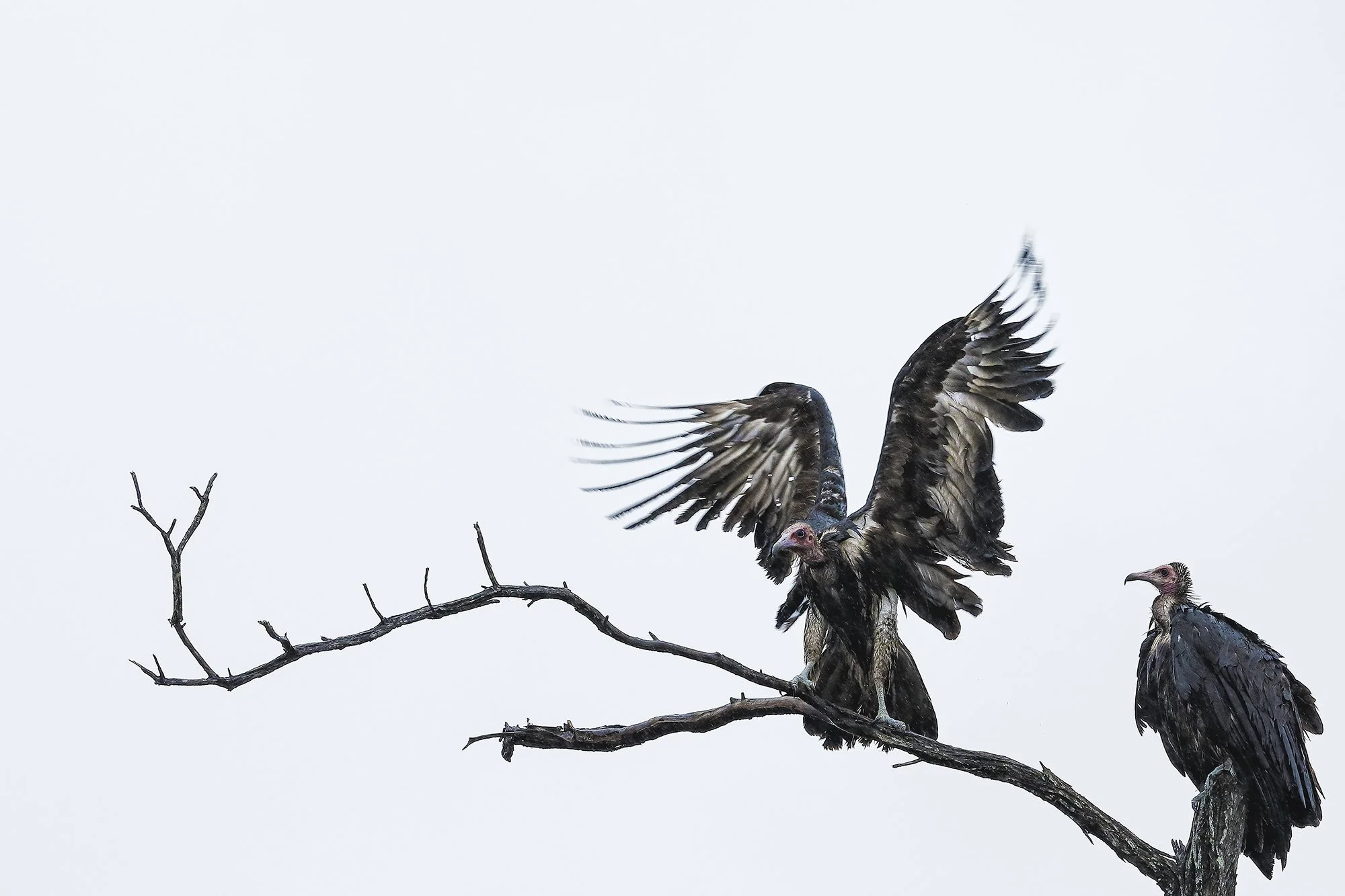
Winter in South Africa does not forgive. One moment the sun burns across the savannah, the next a drizzle turns into sheets of rain, the wind cuts through layers of clothing, and the cold seeps into your bones. This is the first truth no one tells you about wildlife photography. It is not glamorous. It is survival. It is patience in the face of a sky that cannot make up its mind.
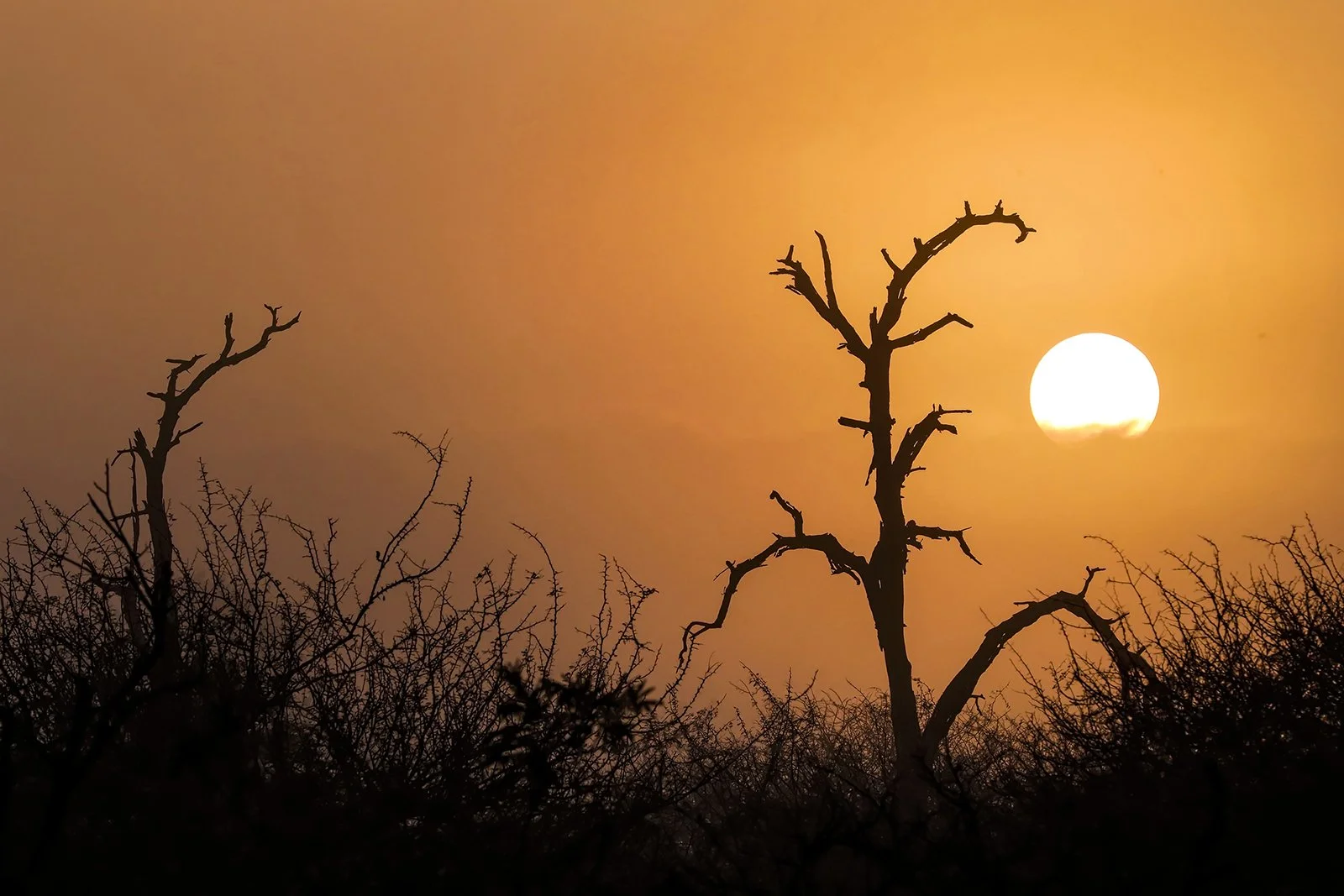
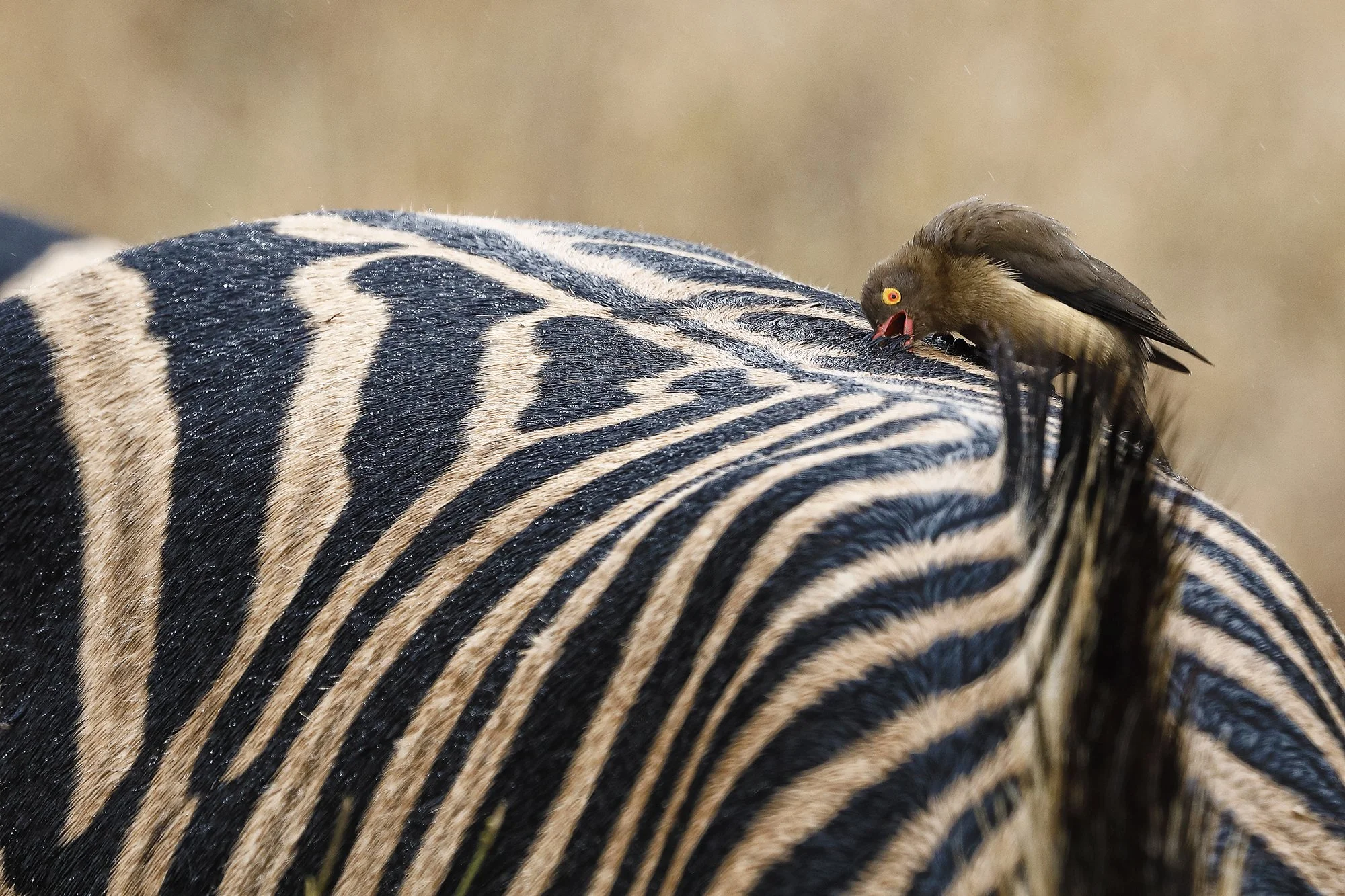
And then, in the middle of this weather’s drama, the wild itself decides to reveal its secrets.
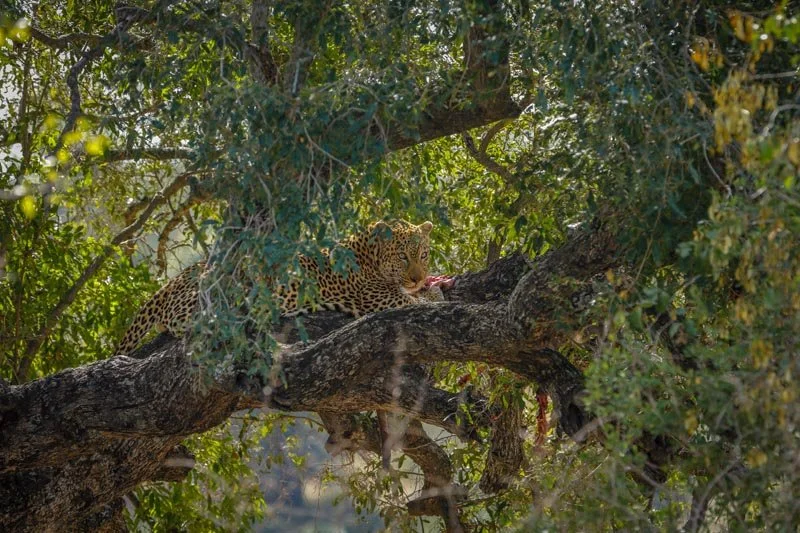
I remember the leopard most vividly. An impala carried high into a tree, dangling from a branch like a secret hidden away from the scavengers below. The leopard feasted quietly, every muscle taut, every movement claiming its dominance. Below, silence, except for the distant call of vultures who knew their turn would come. It was brutal and beautiful in the same frame.
Another day, Kruger gave me tenderness. A mother cheetah and her cub, roaming together, then suddenly playing like children. Their tails flicking in unison, their paws brushing against one another. A dance of innocence in the heart of a world where survival is never promised.
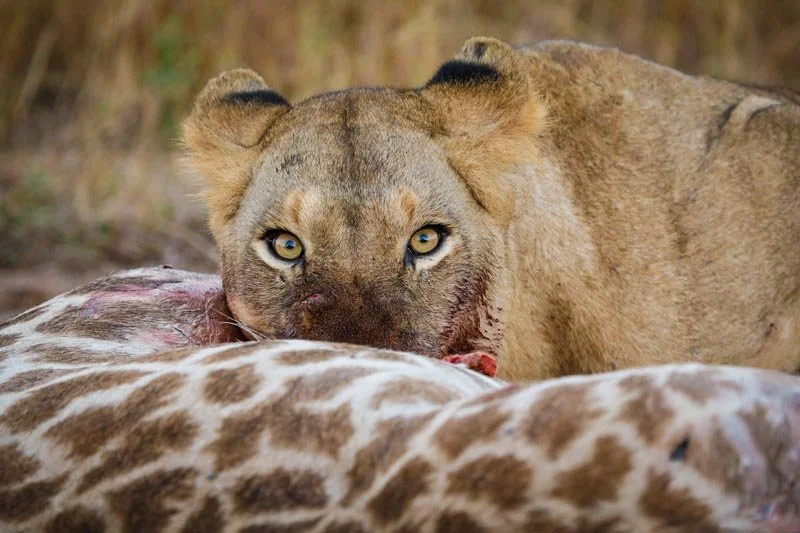
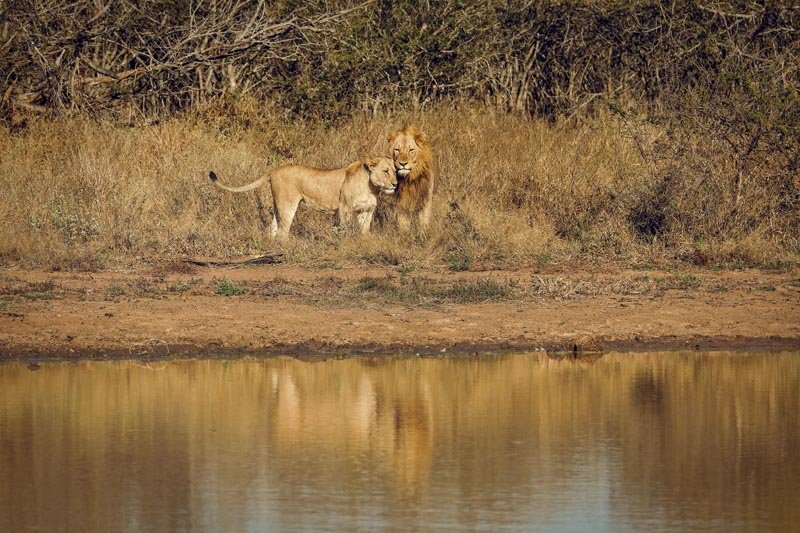
And then came the power of the lions. A pride of lionesses brought down a giraffe; the scene raw, violent, and impossible to look away from. I watched them feed, their faces stained, their hunger absolute. Hours later, by a quiet water body, I saw a lion and lioness in romance, their strength transformed into intimacy. From brutality to tenderness, the spectrum of life in the wild stretched wider than any lens could capture.
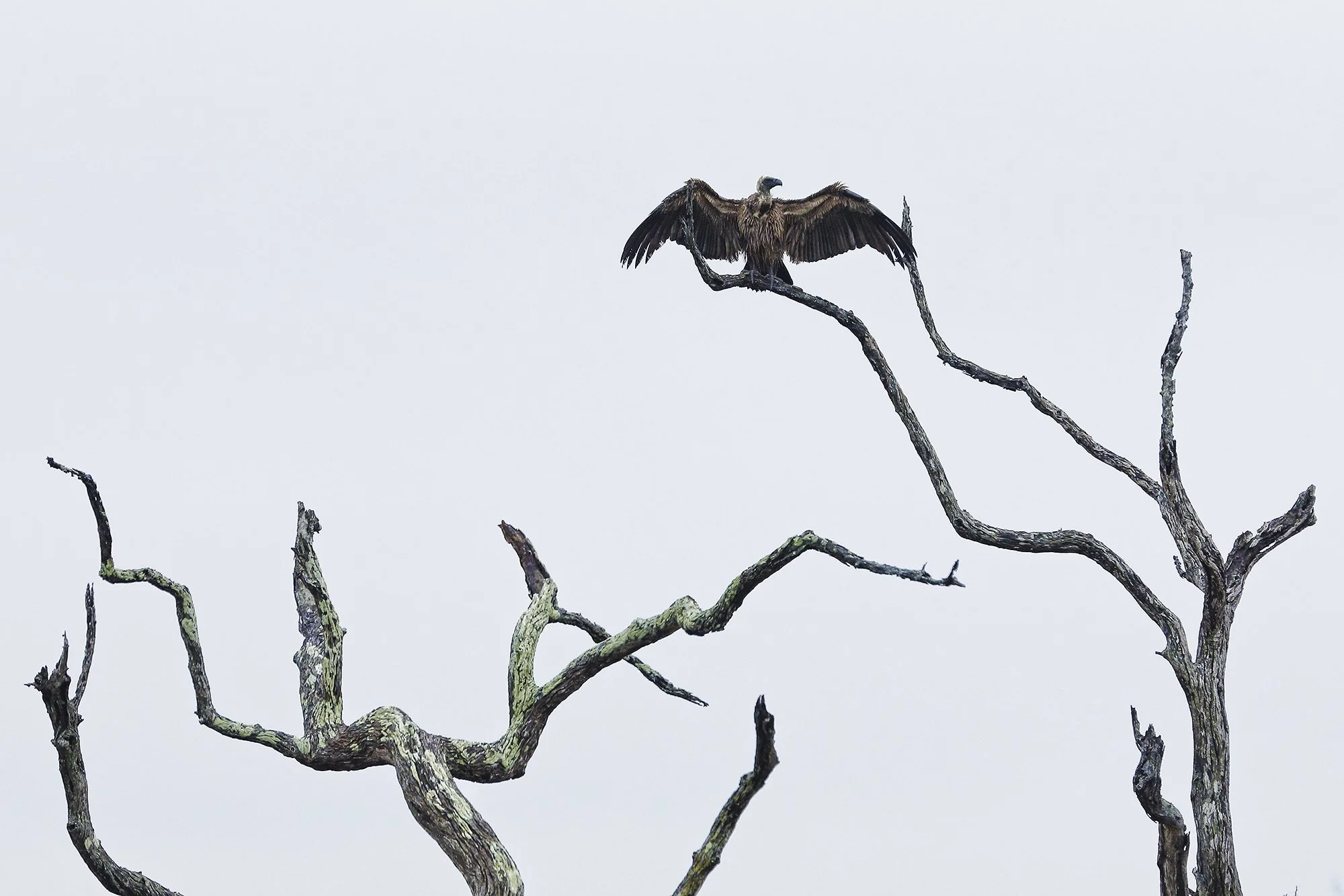
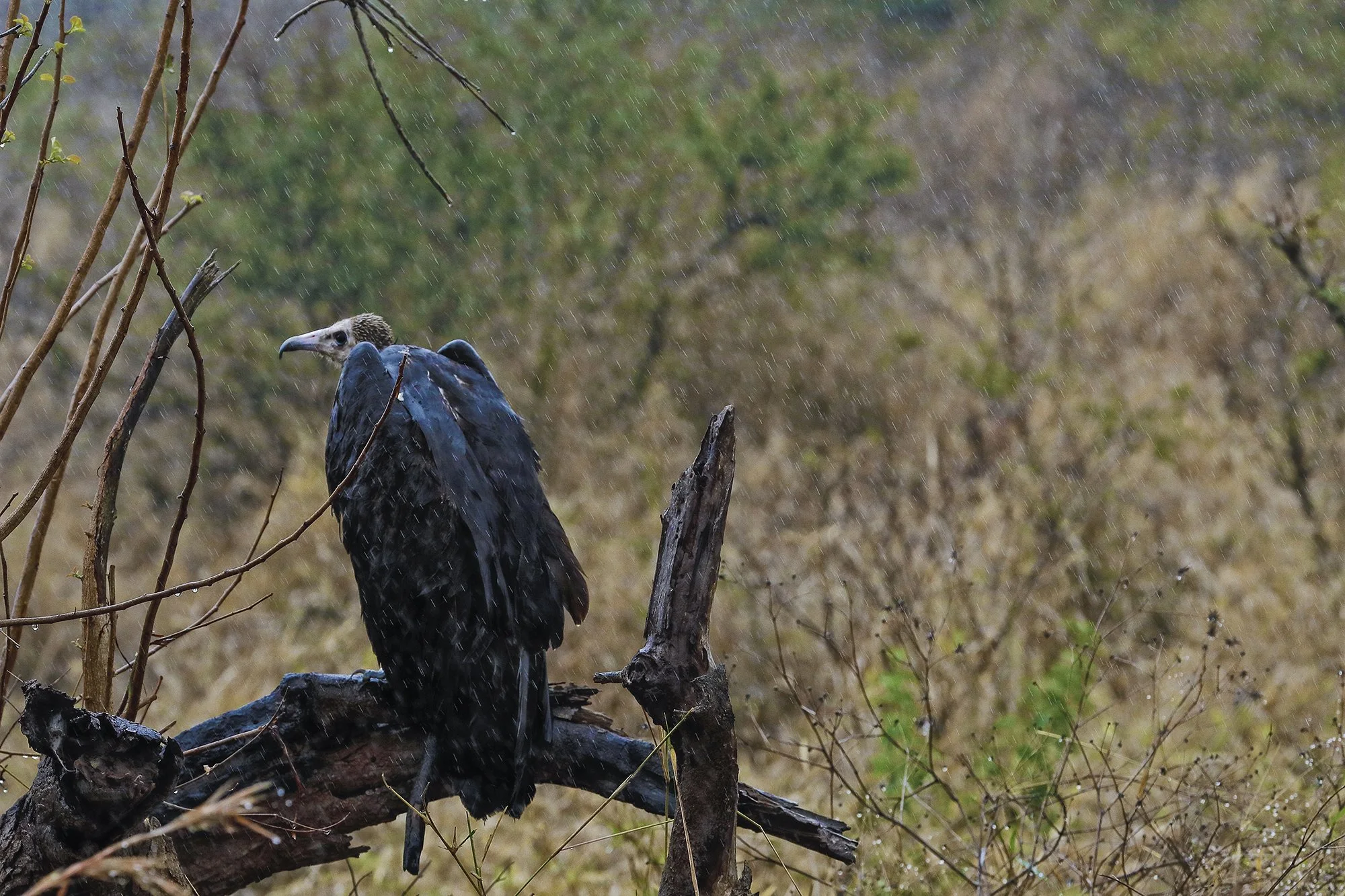
But what etched itself deepest in me was the vultures. Perched on dead, skeletal branches, drenched in drizzle, their feathers heavy with cold. I called the series DeadLand or GhostLand Vultures. Yet they were not only scavengers. They were survivors, custodians of balance. Around them sat other birds of prey, each waiting, each reminding me that in nature, even death is part of the order.
This is what wildlife photography teaches you if you stay long enough. Not every day brings action. Some days you see nothing at all. But you always feel the abundance of nature, the vastness that humbles you, the reminder that we are not here to interfere, not here to command. We are here to be observers, kind and quiet, holding a mirror to the law of nature.
Technically, yes, the craft demands gear. Wide lenses for landscapes that dwarf even elephants. Mid range zooms for intimate moments like the cheetah and her cub. Super telephotos for those seconds when a leopard looks down from its throne. But the gear is just a tool. The real skill is in patience, in knowing when to wait, when to hold your breath, when to let go of wanting and let nature decide.
These stories are part of my upcoming book Wild Africa, where the frames are not trophies but lessons. Lessons in humility, in patience, in truth.
For those who want to step into this world, the best way is not through manuals but through guided experience. That is why I invite you to explore Guided Photography Tours. With experts across genres and across the globe, these tailored itineraries are designed for those ready to take the plunge. Whether in the savannahs of Africa, the Himalayas, or beyond, we prepare you not just to take photographs, but to see.
Because in the end, what no one tells you about wildlife photography is that it is not about the animal in front of you. It is about the person you become while waiting for it.
You can explore more of my work across platforms, from wildlife and landscapes in South Africa, India, and across Asia to fashion, portraits, documentary storytelling, and full scale film production; from studio setups to remote locations, aerial shoots with drones and open door helicopters to NGO and humanitarian initiatives, conservation projects, guided photography tours, luxury fashion adventures in the Himalayas, independent publishing and visual storytelling platforms, and complete production services including line production, fixing, logistics, permits, casting, and execution for international brands, agencies, and filmmakers.
Influencing, educating, and inspiring through real world experience, I continue to share knowledge, mentor emerging photographers and filmmakers, and collaborate across industries, from global production networks and creative platforms to conservation initiatives and experiential learning journeys, creating opportunities that go beyond images into lasting impact, meaningful storytelling, and the next generation of visual creators.
Follow my Socials for more stories and updates:
Wildlife Photography in Nepal, Africa, India and Beyond
From the jungles of Chitwan and Bardia in Nepal to the vast savannahs of South Africa, Kenya, Tanzania, Botswana, and Namibia, wildlife photography is not location bound, it is experience driven. Gautam Dhimal works across continents including India, Sri Lanka, Bhutan, Thailand, the Middle East, and Africa, offering high end wildlife photography, conservation storytelling, and documentary production for global clients.
Whether you are searching for a wildlife photographer in Nepal, a professional wildlife photographer in India, a safari photographer in Africa, or a National Geographic style wildlife photographer for your next project, this work is built on real field experience, extreme environments, and deep respect for nature.
Wildlife Photography Services and Opportunities
• Wildlife photography expeditions in Nepal, India, and Africa
• Guided wildlife photography tours for beginners and professionals
• Documentary wildlife photography for NGOs, conservation groups, and global agencies
• Commercial wildlife photography for brands, tourism boards, and media companies
• Fine art wildlife prints, exhibitions, and publishing projects
• Wildlife filmmaking and behind the scenes documentary production
• One on one mentorship and wildlife photography workshops
From cheetahs in South Africa to tigers in India, from Himalayan snow leopards to African elephants, every project is approached with patience, safety, and precision.
Wildlife Photography Gear, Skills, and Reality
Wildlife photography is often searched as gear driven, but the reality is different.
Yes, cameras matter. Lenses matter. Equipment matters.
But what truly defines a professional wildlife photographer is:
• Understanding animal behavior
• Reading light and weather in unpredictable environments
• Field patience and mental endurance
• Respect for wildlife and ethical distance
• Decision making under pressure
• Storytelling beyond a single frame
From DSLR to mirrorless systems, from entry level wildlife photography cameras to high end professional kits, the equipment evolves, but the mindset remains constant.

Work With Gautam Dhimal for Wildlife Photography, Film and Expeditions
If you are looking for:
• The best wildlife photographer in Nepal
• A wildlife photographer in South Africa or Africa safari regions
• A wildlife photographer in India for tigers, forests, and biodiversity
• A documentary photographer for conservation storytelling
• A wildlife filmmaker or production partner for global projects
• A guided wildlife photography experience anywhere in the world
This is where it starts.
Gautam Dhimal and his teams across Location Nepal, Himalayan Fashion Adventure, and global production networks work with brands, NGOs, filmmakers, broadcasters, and private clients worldwide.
For assignments, expeditions, collaborations, and commissioned wildlife photography projects:
Wildlife Photography FAQs
What is wildlife photography?
Wildlife photography is the practice of capturing animals in their natural environment, focusing on behavior, habitat, and storytelling without disturbing the subject.
How to become a wildlife photographer?
Start with observation, not equipment. Learn animal behavior, practice patience, build a portfolio, and gain real field experience through guided tours, internships, or assisting professionals.
What camera is best for wildlife photography?
Both DSLR and mirrorless cameras are widely used. The best camera depends on speed, autofocus, and lens compatibility. More important than the body is the lens and your ability to use it effectively.
What lens is best for wildlife photography?
Telephoto lenses are essential. Typically 200mm to 600mm range is used for wildlife, depending on distance and subject.
Is wildlife photography dangerous?
It can be. Working around wild animals requires experience, guides, and strict safety protocols. Respecting distance is critical.
How much do wildlife photographers earn?
Income varies widely. Wildlife photographers earn through assignments, commercial work, prints, workshops, expeditions, and licensing.
Can wildlife photography be a career?
Yes, but it requires consistency, travel, networking, and multiple income streams including photography, filmmaking, education, and publishing.
Which country is best for wildlife photography?
Top destinations include South Africa, Kenya, Tanzania, Botswana, India, Nepal, and parts of Southeast Asia. Each offers unique biodiversity.
What are the biggest challenges in wildlife photography?
Unpredictable weather, animal movement, long waiting periods, difficult terrain, and physical endurance.
What is the best time for wildlife photography?
Early morning and late afternoon, known as golden hours, offer the best light and animal activity.
Do I need a degree to become a wildlife photographer?
No formal degree is required. Practical experience, field knowledge, and portfolio matter more.
Can I join a wildlife photography tour?
Yes. Guided photography tours are one of the best ways to learn, travel safely, and improve skills quickly.
Who is the wildlife photographer of Nepal?
Nepal has many emerging talents, but professionals with international field experience across Nepal, India, and Africa bring a deeper level of storytelling, production capability, and reliability for global clients.
Who is the best wildlife photographer in Nepal?
There is no official ranking, but the best wildlife photographers are defined by consistency, field experience, global work, and the ability to deliver both artistic and commercial results.
Wildlife Photography in Nepal and Asia
Where can I see wildlife in Nepal?
Top wildlife destinations in Nepal include Chitwan National Park, Bardia National Park, Shuklaphanta National Park, and Koshi Tappu Wildlife Reserve. These regions offer opportunities to photograph rhinos, Bengal tigers, elephants, gharials, and hundreds of bird species.
Is Nepal good for wildlife photography?
Yes. Nepal is one of the most diverse countries for wildlife photography due to its altitude range from tropical jungles to high Himalayas. It offers rare subjects like snow leopards, red pandas, and one horned rhinos within a single country.
Which animal is rare in Nepal?
Snow leopards, red pandas, and Bengal tigers are among the rarest and most sought after wildlife photography subjects in Nepal.
Is Nepal rich in biodiversity?
Yes. Despite its small size, Nepal ranks among the top countries globally for biodiversity density, making it ideal for wildlife and conservation photography.
Safari, Africa, and Global Wildlife
What are the Big Five in wildlife photography?
The Big Five include lion, leopard, elephant, buffalo, and rhinoceros. These animals were historically considered the most difficult to hunt, and today they are among the most iconic subjects in wildlife photography.
What are the Big Seven in safari?
The Big Seven expands the Big Five by adding whale and great white shark, commonly referenced in African and marine wildlife photography.
Which country is best for wildlife photography?
There is no single answer.
• Africa (South Africa, Kenya, Tanzania, Botswana) for large mammals and safaris
• India for tigers and dense jungle ecosystems
• Nepal for diversity and Himalayan wildlife
• Arctic regions for polar wildlife
Each location offers different storytelling opportunities.
Why isn’t the giraffe part of the Big Five?
The Big Five classification was based on hunting difficulty, not size or visual appeal. Giraffes, despite their size, were not considered dangerous to hunt.
Photography Skills, Rules, and Techniques
What is the rule of thirds in photography?
The rule of thirds divides the frame into nine equal sections. Placing your subject along these lines or intersections creates more balanced and engaging images.
What are the 7 C’s of photography?
Commonly referenced as: composition, contrast, clarity, color, creativity, context, and connection. In wildlife photography, connection and timing often matter more than technical perfection.
What is the 20-60-20 rule in photography?
It is often used in learning:
• 20 percent theory
• 60 percent practice
• 20 percent review and improvement
For wildlife photography, field experience dominates.
What is the golden hour in wildlife photography?
The first hour after sunrise and the last hour before sunset. This is when animals are most active and light is soft and directional.
Gear, Equipment, and Field Practicality
How can I protect my camera on safari?
Use weather sealed gear, rain covers, dust protection, and padded bags. Avoid changing lenses in dusty or windy conditions.
What colors should you avoid wearing on safari?
Avoid bright colors like red, white, and neon tones. Neutral colors such as green, brown, and khaki help you blend into the environment.
How much zoom do I need for wildlife photography?
A minimum of 300mm is recommended, while 400mm to 600mm is ideal for professional wildlife work.
Is ISO 400 good for wildlife photography?
Yes, especially in low light conditions. Modern cameras handle higher ISO well, and capturing the moment matters more than noise perfection.
Career, Income, and Professional Growth
Can wildlife photography be a full time career?
Yes, but it typically requires multiple income streams including assignments, workshops, tours, prints, licensing, and brand collaborations.
What type of photography is most in demand today?
Commercial, documentary, and brand storytelling photography are currently the highest in demand, including wildlife and conservation storytelling.
Can I sell wildlife photos?
Yes. Wildlife images are sold through prints, stock licensing, editorial publications, galleries, and direct commissions.
Who buys wildlife photography?
• Magazines and media
• NGOs and conservation organizations
• Tourism boards
• Brands and advertisers
• Private collectors
Wildlife Behavior and Ethics
What is the hardest animal to photograph?
Animals like snow leopards, leopards, and certain bird species are considered extremely difficult due to camouflage, rarity, and unpredictable movement.
Why is patience important in wildlife photography?
Wildlife photography is largely waiting. The ability to observe and anticipate behavior is more important than technical skill.
What is ethical wildlife photography?
Maintaining safe distance, not disturbing animals, and avoiding manipulation of natural behavior for the sake of a photograph.
Getting Started and Learning Faster
Can I learn wildlife photography in 3 months?
You can learn the basics quickly, but mastery requires years of field experience.
How do I get better at wildlife photography fast?
• Spend more time in the field
• Study animal behavior
• Work with experienced guides
• Review and edit your own work critically
What is the best way to start wildlife photography?
Start local. Learn to observe animals around you before traveling to exotic locations.